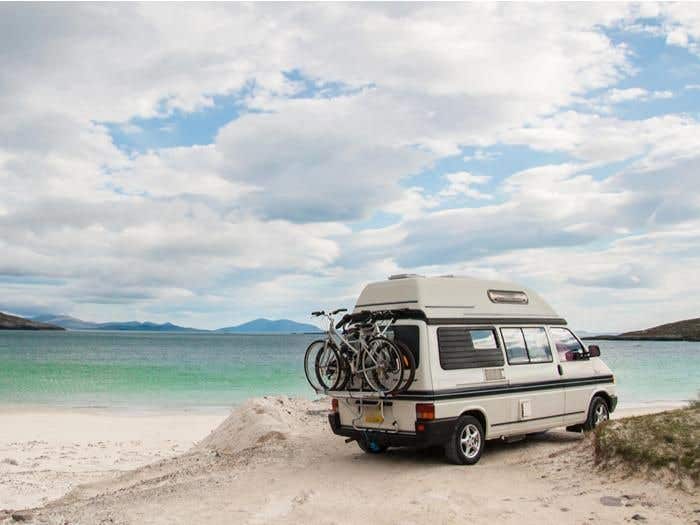










We don’t want to speak too soon, but it looks like the weather is going to be pretty hot for the next few weeks! To avoid problems during your future travels, we’ve put together a guide that will help.
Heatwave conditions would cover anything from intense high heat from the sun, a lack of wind and little relief as a result of rain or clouds.
Driving in hot weather
Driving from place to place isn’t encouraged when a heatwave is taking place, however sometimes you will have no choice but to go ahead with your plans. Driving in high heat can compromise your driving ability and can pose a risk to your vehicle.
A common problem that occurs during a heatwave is the overheating of your engine. This is especially prevalent during times of high traffic where little-to-no air can glide over your components to cool them. This goes for both water-cooled and air-cooled vehicles and unfortunately when this happens, you have little control over it.
The best way to prevent this is to ensure you check the traffic on your route before you set off and continue to use a program such as Google Maps or Waze as you drive. These will provide constant updates on the flow of traffic in front of you and will provide you with an alternative route if the app is aware of heavy traffic up ahead.
High heat can also cause a disturbance to the driver. Not only can it cause dehydration and potentially affect your awareness, but it can make you feel sleepy and often quite irritable. If you’re travelling to a show and the heat is affecting your mood, it’s better to pull over for a moment or take a break at a service station, than to continue driving and potentially drive erratically as a result of anger and impatience.
In addition, if the heat makes you feel sleepy, you must pull over and take a break when it is safe to do so. Preferably at a service station and grab a fresh bottle of cold water to keep you hydrated. You should be sure to check the weather before you travel and if you know it will be a hot day, always take plenty of water and refreshments with you to keep the day running smoothly. It’s even better if you can pack them in an insulated or electric cool box.

It's getting hot in here
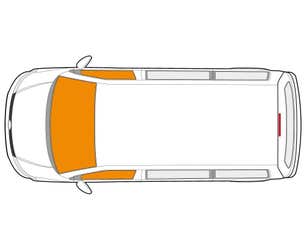
There is nothing worse than a dark car in a heatwave! Take a moment to think about: dark vinyl seats, leather seats, black plastic steering wheels, metal steering wheels, or maybe even metal gear knobs. The thought of these in a heatwave is enough to make you make anyone’s blood boil, you can prevent these materials from conducting so much heat from the sun by blocking it out.
There are plenty of thermomats and similar products that will provide effective insulation against the suns heat and this will keep the interior of your car lovely and cool. We offer thermomats for various vehicles, please follow this link to shop our variety of mats here. Lets be honest, one of the worst things in the summer is falling into your seat, only to scold yourself on the metal part of your seatbelt buckle!
The words yelled in this situation cannot be repeated, and we can certainly agree that we could do without starting off a long road trip with accidents like these.
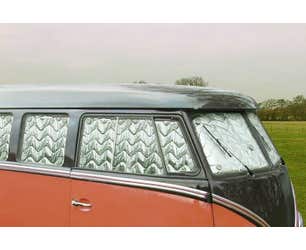

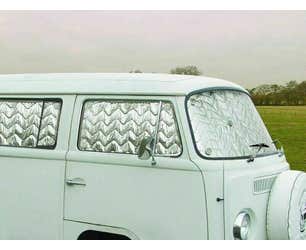


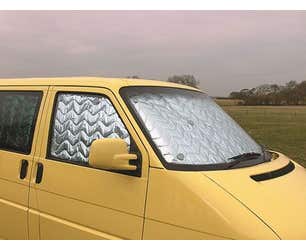


Since the sun is beaming hot, why not make effective use of that energy? We sell permanent and temporary solar panel products that will allow you to make the most of the sun and use the energy for something else!
Whether you need your phone charged, camera batteries charged, your laptop or want to power your cool box, you can use your solar panel to charge them without relying on portable chargers or your vehicle's battery.
Lastly, if you’re camping or travelling in a camper/bus, you may benefit from installing curtains. Curtains make the difference between a van and a home and are a great way to insulate yourself against heat and light. If you’ve had a long day and just want a lay down in the shade, your camper would be the perfect place for this.


Preparation
Lots can be done to prevent problems caused by the hot weather! Preparation is important, whether your car is modern or classic, the heat poses threats to both and it’s good practise to make sure that everything is running in working order before you commit to a long road trip or holiday in your camper.
Classic Cars in heat:
Classic VW’s are generally air-cooled, but more and more water-cooled vehicles are making their way into the retro shows these days such as Mk1 Golfs and Scirocco’s. It’s important to check your engine’s ability to keep cool in heat, if you can do this a week or a few days before a long journey, you will have time to prepare for any problems.
As an air-cooled engine uses air to keep it cool, it’s wise to make sure that the fan which helps force cool air over the fins, is working effectively. A working fan is essential for classic VW’s and the like, so maybe invest in a new fan belt and fan prior to the summer, if this is something that’s not been replaced for a few years.
Something that applies to both modern and classic vehicles is the comfort of the driver. It may be worth investing in a proper pair of driving sunglasses, after all your vision is an integral part of a safe drive in your vehicle!

Image credit to Nicolas Cool
Modern and water-cooled vehicles in heat:
As the water is pumped around your vehicle, old or new, there can be issues with your coolant system which may result in a loss of water. Be sure that prior to your long journey, that your reservoir and radiator are well topped up. If it’s especially hot, maybe consider packing a 2 litre bottle of water in the boot! On occasion, water can boil out from the coolant system, however if your car is notorious to issues like this, it may be time to look into getting your head gasket replaced.
Much like an air-cooled engine, it’s worth checking the condition of the engine fan. If your fan is incorrectly wired, the fan may not kick in until the engine is too hot or if the fan is old and missing fins, it may be worth replacing. It’s wise to check over all parts of the coolant system a week or so before so that you can replace parts before a long trip.
In addition to this, if your vehicle features a radiator, this can sometimes become damaged. In the unlikely event that your journey results in any radiator damage, or a leak in the coolant system, it may be worth having a bottle of K-Seal handy – or something similar.
These products can be very controversial, especially for older cars, but speaking from experience it can be the difference between making it to a show or not! It’s a temporary fix, and once you get your beloved car home, you will have the chance to take a proper look over the vehicle and replace parts which are on their way out.

Just Kampers Insurance
If your vehicle is covered with Just Kampers Insurance, then never fear. If the weather gets the better of your situation and you end up stuck, then JK Insurance will have your back!
JK Insurance customers get UK and European roadside assistance and home-start cover from just £42.00 for cars, £47.00 for vans, and £90.00 for campervans annually. This means that we can rescue you rain or shine, if you break down and need a helping hand.
For more information on Just Kampers Insurance, please visit our website via this link.